
Protein Supplementation
Types, When to Use Them, and How to Read the Label
Abstract
For most healthy adults, a protein-rich diet built from real food should cover daily needs. When it does not, for one reason or another, protein supplements exist to fill the gap.1,2,3 Whey and casein remain the highest-quality and best-studied, while soy and other well-designed plant blends could be used as dairy-free alternatives. Collagen occupies a separate but adjacent category aimed at connective tissue rather than skeletal muscle.4,5,6,7,8,9 When using supplements it is important to evaluate the company selling it and the product itself by the label. Each protein supplement will have practical pros and cons. Supplements are not regulated by the FDA and have safety considerations where I recommend using good reputable sources with minimal ingredients and third-party testing. For the foundational case for higher protein intake and how to build a protein-rich diet from food, see the companion article Protein-Rich Diet in The Nutrition section of The Training Room.
Introduction
The supplement aisle has gotten crowded. Protein bars and massive tubs of protein powder amongst newer additions like protein cookies and other snacks. On the surface this topic may seem simple but there is more to it than you may imagine so lets get started.
This article is not one that is meant to argue that you need a protein supplement. Most people simply need to adjust their diet. The article entitled Protein-Rich Diet in the nutrition portion of The Training Room covers the food-first foundation. This article picks up where that one leaves off asking “Where does protein powder fit into this?" Diet is going to be where we should get most if not all of our protein but when that is not an option, a protein supplement may be able to fill a gap. It is not a substitute for food, but as the name indicates, a supplement. For most it is convenience.
If you do choose to use one, what you reach for matters. Whey and casein are not the same as plant based source. Collagen is not the same as whey. A 20-gram scoop of concentrate is not the same as a 30-gram scoop of isolate. This article walks through what the labels mean, what to look for, and which category fits which goal.
Why Protein Supplements Exist
Three real situations in which a protein supplement is the practical answer rather than a marketing-driven purchase.
Per-meal gaps that real food cannot close conveniently. The most common scenario is a patient whose daily target falls short because of a specific meal. Breakfast is rushed and you are looking for something convenient on the way out the door. Lunch is a sandwich or salad and light on protein. Maybe the household eats late and the you get hungry for a snack after dinner time. A scoop of protein in a shake, mixed into oatmeal, blended into a smoothie or another combination is a low friction fix.
Convenience and travel. Real food is perishable, requires refrigeration, takes time to prepare, and is hard to pack on a flight or in a gym bag. A measured scoop in a shaker bottle is shelf-stable and travel-friendly. For early-morning departures, long workdays without a fridge, or athletes on the road, supplements bridge the gap that whole food cannot.
Dosing precision. When a goal is precise having specific known amounts can be helpful. Maybe you are an athlete running a hypocaloric cut trying to preserve lean mass, an older adult trying to build muscle chasing their lofty 2.2 g/kg/day target or a post-bariatric surgery patient on a strict protein prescription. A measured scoop is a reliable way to hit your specific number. Real food is best but sometimes difficult to quantify.
The threshold question is whether your diet actually has a gap. If you are hitting 100-150 grams of protein per day across three or four meals from eggs, dairy, fish, poultry, and a moderate amount of legumes and whole grains, you likely do not need a protein supplement. Many of the patients I see who are already in good shape are the ones most aggressively marketed to and the medicine and supplement industry is good at creating anxiety about a problem that does not exist for them.
How to Evaluate Any Protein Product
Before looking at the ingredients, I recommend doing a deep dive on the brand itself. When we are looking at using a supplement which is not regulated by the FDA, we need to trust the brand and not be won over by flashy marketing. You need to trust the brand you are going to use. As part of that process to build trust, you want to have a brand that uses third party verification that you can trust. This means they are opening themselves up to an outside testing group to validate that what they say is in their product, is actually in their product.
NSF Certified for Sport and Informed Sport are the two most common third-party certifications for sports supplements. The certification means an independent lab has verified that the product contains what the label says and does not contain contaminants (heavy metals, banned substances, undisclosed stimulants). For any athlete subject to drug testing and for any patient who simply wants assurance that what is on the label is in the tub, this matters.
The brand I recommend for protein supplementation is Naked. I prefer their Naked Whey product but they also have Naked Pea for those who prefer plant based proteins. They have one ingredient with no added flavors which I appreciate. Doctor it up with fresh trusted ingredients you get on your own rather than added preservatives, “natural flavors” and other additives.
Once you have identified a brand you trust, here are five things to look at on the label.
- Protein grams per serving. Not the scoop size — the grams of protein delivered per serving. Whey isolates typically deliver 25-30 grams per scoop; concentrates deliver 20-25 grams per scoop (and the rest of the scoop weight is lactose, fat, and moisture). Plant powders vary more widely; a clean pea isolate at 25 grams per serving is comparable to a whey isolate at 25 grams per serving.
- The protein source. Every product has a source or a list of sources. Look for actual foods or isolates: whey protein isolate, whey protein concentrate, milk protein isolate, casein, hydrolyzed whey, pea protein isolate, soy protein isolate, rice protein concentrate, etc. A "Proprietary blend" with undisclosed amino-acid doses is a reason to put the tub back.
- Leucine content. Leucine is the essential amino acid that "switches on" muscle protein synthesis. A per-meal serving needs roughly 2.5 to 3 grams of leucine to maximally trigger that switch in young adults; older adults need more.2,3 Most quality protein powders clear this bar at the labeled serving size (25-30 grams of whey delivers roughly 2.5-3 g of leucine; some plant powders need 35-40 g of total protein to hit the same threshold).3,4 If a serving is under 20 grams of total protein, you may need to double up to get that amount of leucine.
- Added sugar and total sugar. A single-serve ready-to-drink or a flavored powder can quietly carry 10-15 grams of added sugar. That is not a crisis, but it is a math problem at scale: if you are using the product to be health and consume less sugar while pouring 30 grams of it into your diet, that is not progress. Most unflavored powders are essentially sugar-free but flavored powders vary.
- Fillers and proprietary blends. Avoid products whose top three ingredients are "protein blend" with undisclosed sub-doses, products that bury stimulants (caffeine anhydrous, synephrine, yohimbine) inside an otherwise protein-forward formulation, and products with a long list of artificial sweeteners and flavoring agents you cannot pronounce. A clean product is rarely the most expensive on the shelf, but it is also rarely the cheapest.
If the brand you started with does not meet these five criteria you may need to consider starting your search over for another option.
Whey: The Gold Standard
Whey is a byproduct when taking milk to make various dairy products. It is the highest-quality protein source available by every metric that matters including complete amino acid profile, the highest leucine content of any common dietary protein and the deepest evidence base for muscle protein synthesis, recovery from resistance training, and adaptation over time.2,3,4 A meta-analysis of randomized trials found a small-to-moderate benefit of whey for the recovery of muscle function 24-96 hours after resistance training, a relevant effect for athletes and recreational lifters alike.5
The three forms.
- Whey concentrate. Concentrate is roughly 80% protein by weight and is the cheapest form. Is high quality protein, but does carry more lactose, fat and milk-derived flavor compounds than the other forms. For most people who tolerate dairy, this is perfectly fine.
- Whey isolate. Isolate is about 85-90% protein because most of the lactose and fat have been removed. More protein is present per scoop. Preferred by people who are lactose-sensitive and by anyone using the powder in larger quantities where the cost difference becomes palpable if you are doing two or more scoops a day.
- Hydrolyzed whey. Whey that has been already broken down into smaller peptide chains, which can speed gastric emptying and absorption. Marketing claims “faster absorption equals more muscle" do not hold up well though in head-to-head studies in healthy adults. The real use case is in those patients with significant digestive sensitivity to whole whey peptides. That improved tolerance though comes at a price as it is the most expensive form of whey protein.
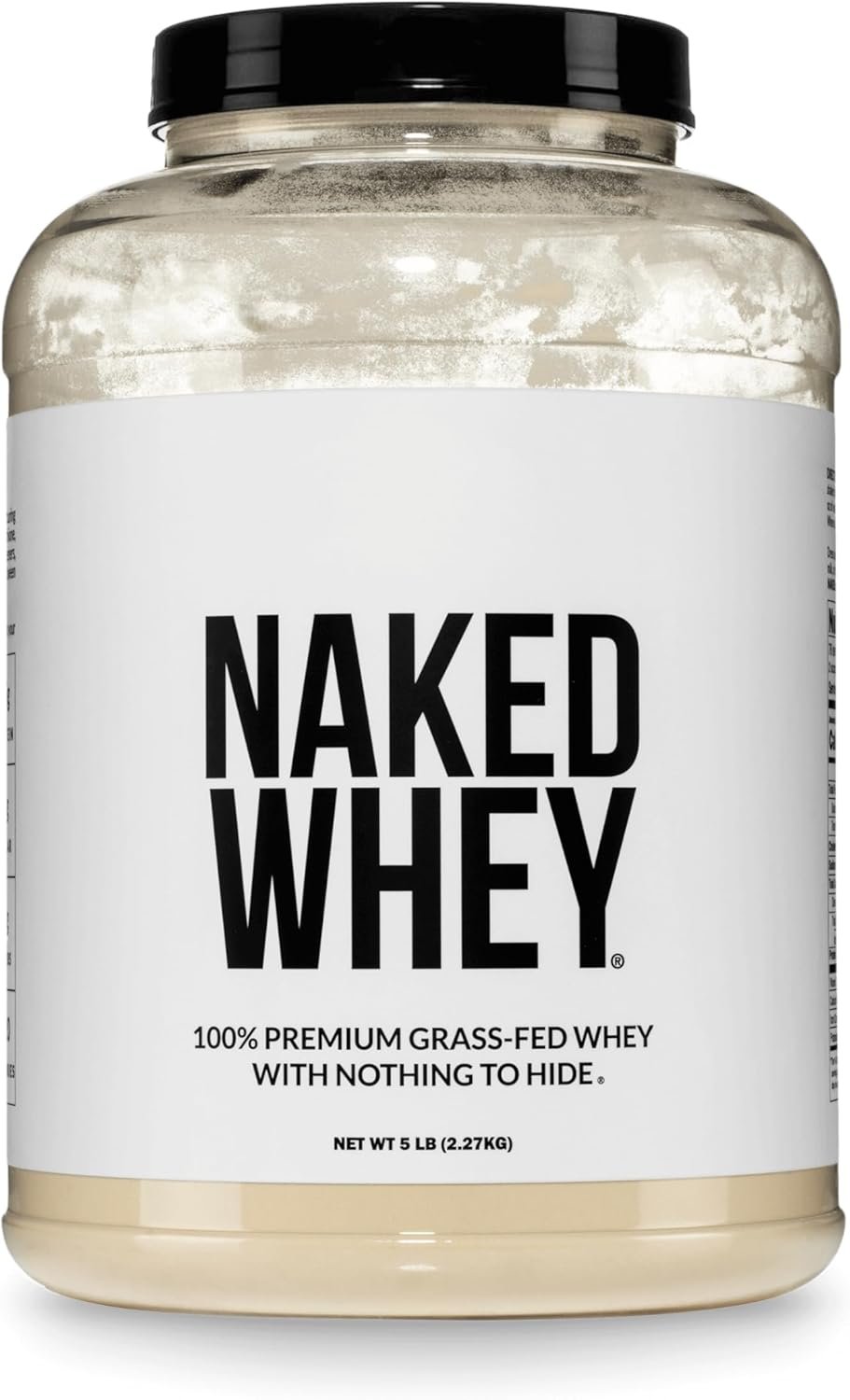
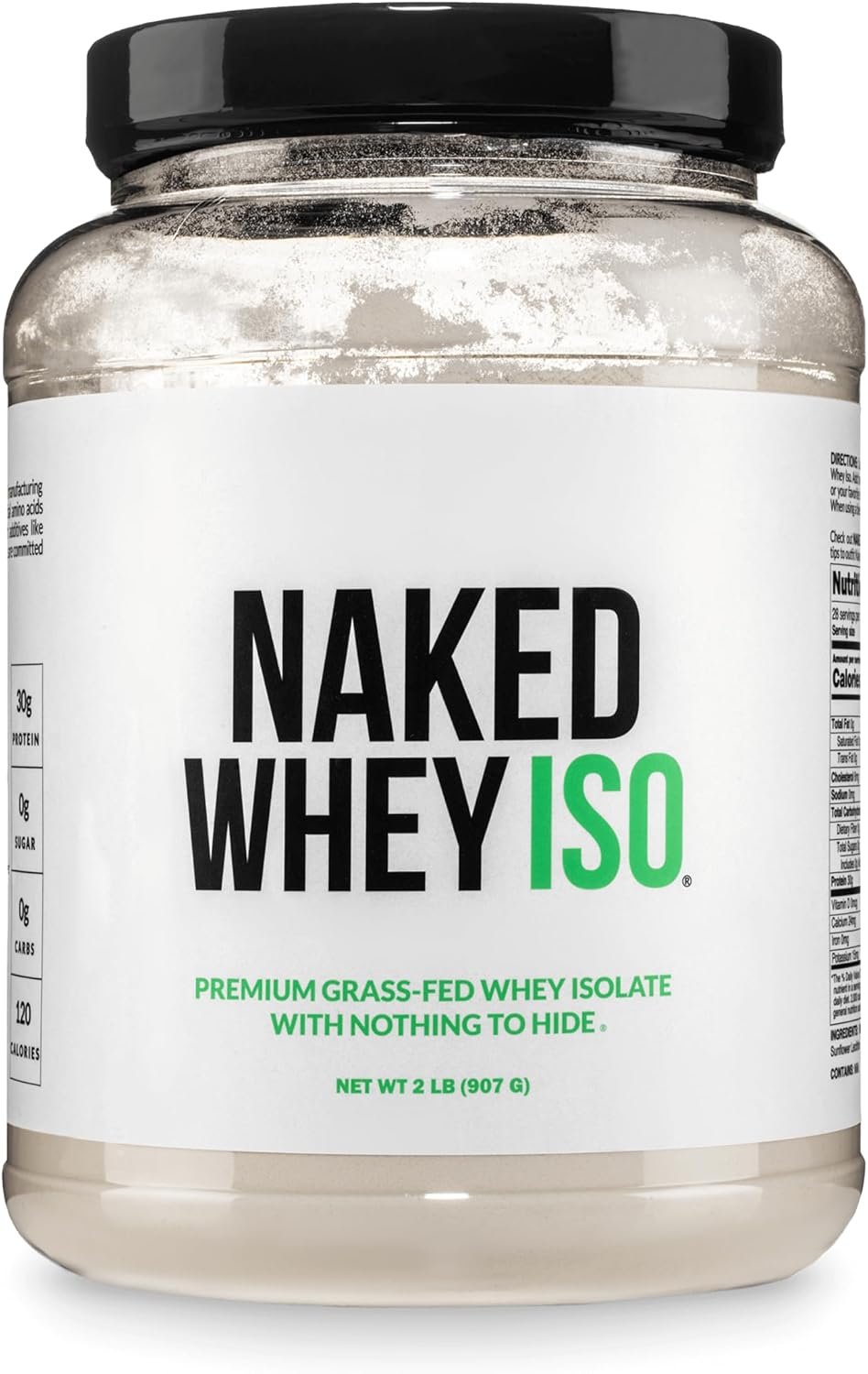
Dr. Quinn's recommended Whey protein supplements.
Whey concentrate or isolate covers the use case for almost every patient while hydrolyzed whey is best in a small, specific subset of athletes who want fastest possible emptying or those with digestive sensitivity. The gap between concentrate and isolate is small while the gap to plant sources is much larger.
When picking a Whey supplement, look for added sugars, proprietary amino blends with undisclosed leucine doses and artificial sweeteners that some patients want to avoid. Heavy metal and contaminant concerns are the reason third-party testing matters. Reputable manufacturers test anyway, but the certification makes the audit public.
Casein: The Slow-Digesting Cousin
Casein makes up about 80% of the protein in milk (whey is the remaining 20%) and is digested slowly, releasing amino acids over a longer window. That is sometimes offered as a reason to use casein before bed, with the theory that the slow release will support overnight muscle recovery.
The practical benefit of casein over whey for most patients is small. Head-to-head studies show broadly similar net muscle protein synthesis over 24 hours for matched doses of whey and casein. While in theory there can be a timing argument in life the difference is miniscule.3,4 A Choose casein if you prefer the taste, tolerate it better or want a slower-release source before sleep. Choose whey for everything else.
Casein naturally is what we get more of in our diet when we consume dairy including traditional slow-set yogurt (i.e. Greek yogurt), cottage cheese and otherwise.
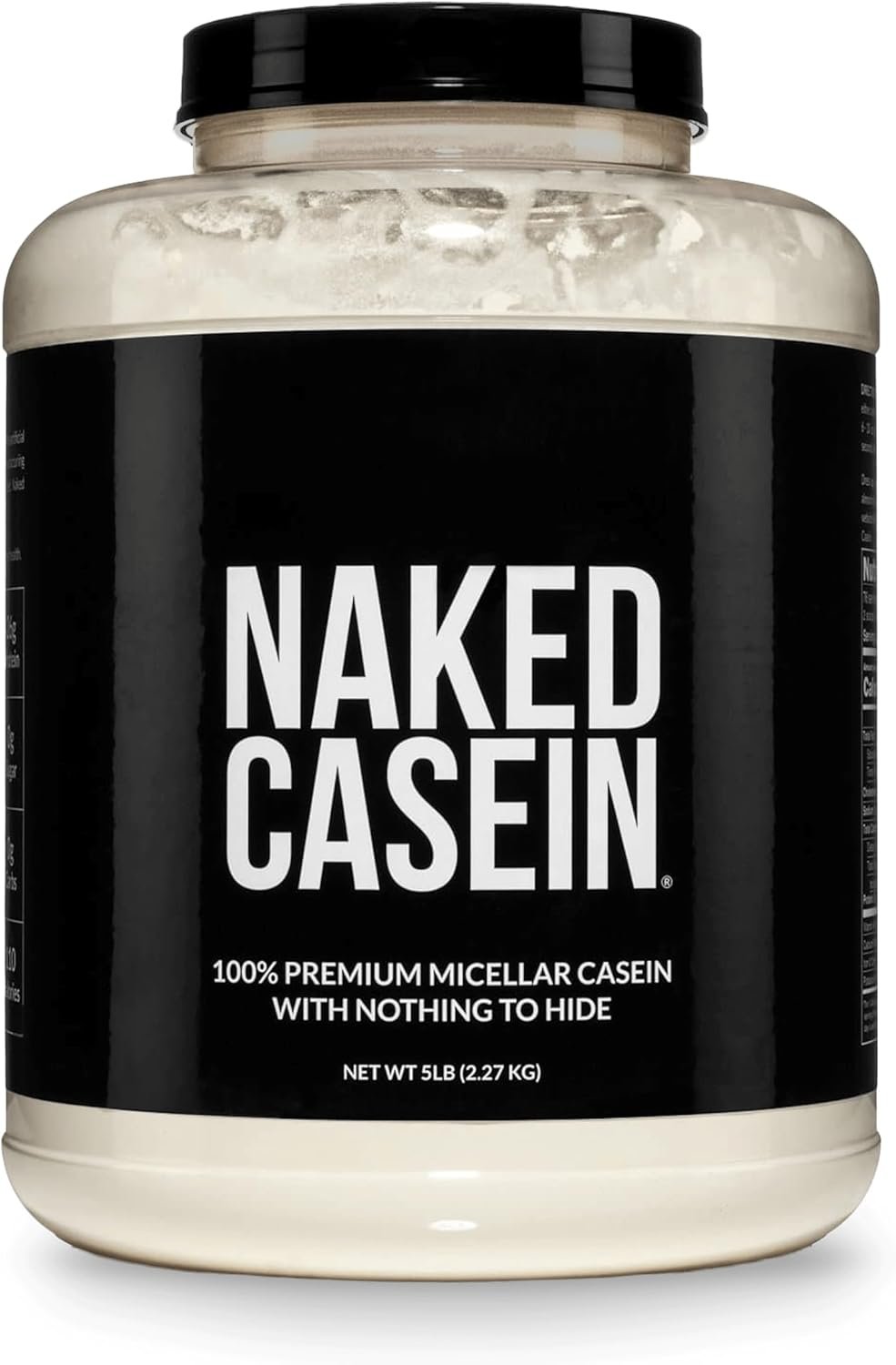
Dr. Quinn's recommended Casein protein supplement.
Plant Proteins
The plant protein powder category has improved dramatically over the years. A decade ago, plant protein meant gritty, incomplete, leucine-poor brown powder that tasted terrible. The current generation of plant isolates and blends is competitive on most quality metrics.
There are several common types.
Soy protein. The highest-quality single-source plant protein. Soy isolate carries a complete amino acid profile and the strongest evidence base of any plant protein for muscle protein synthesis.4 Soy is also one of the few plant proteins that comes in meaningful volume in whole-food form (tofu, tempeh, edamame), which is good for soy as a source of protein.
Pea protein. The most common dairy-free protein base. Pea isolate is high in leucine, but low in methionine. It delivers comparable leucine to soy at typical serving sizes. Pea protein forms the backbone of most modern plant protein blends and is also sold alone. While most products are mild with neutral flavor, some products are reported to taste noticeably earthy.
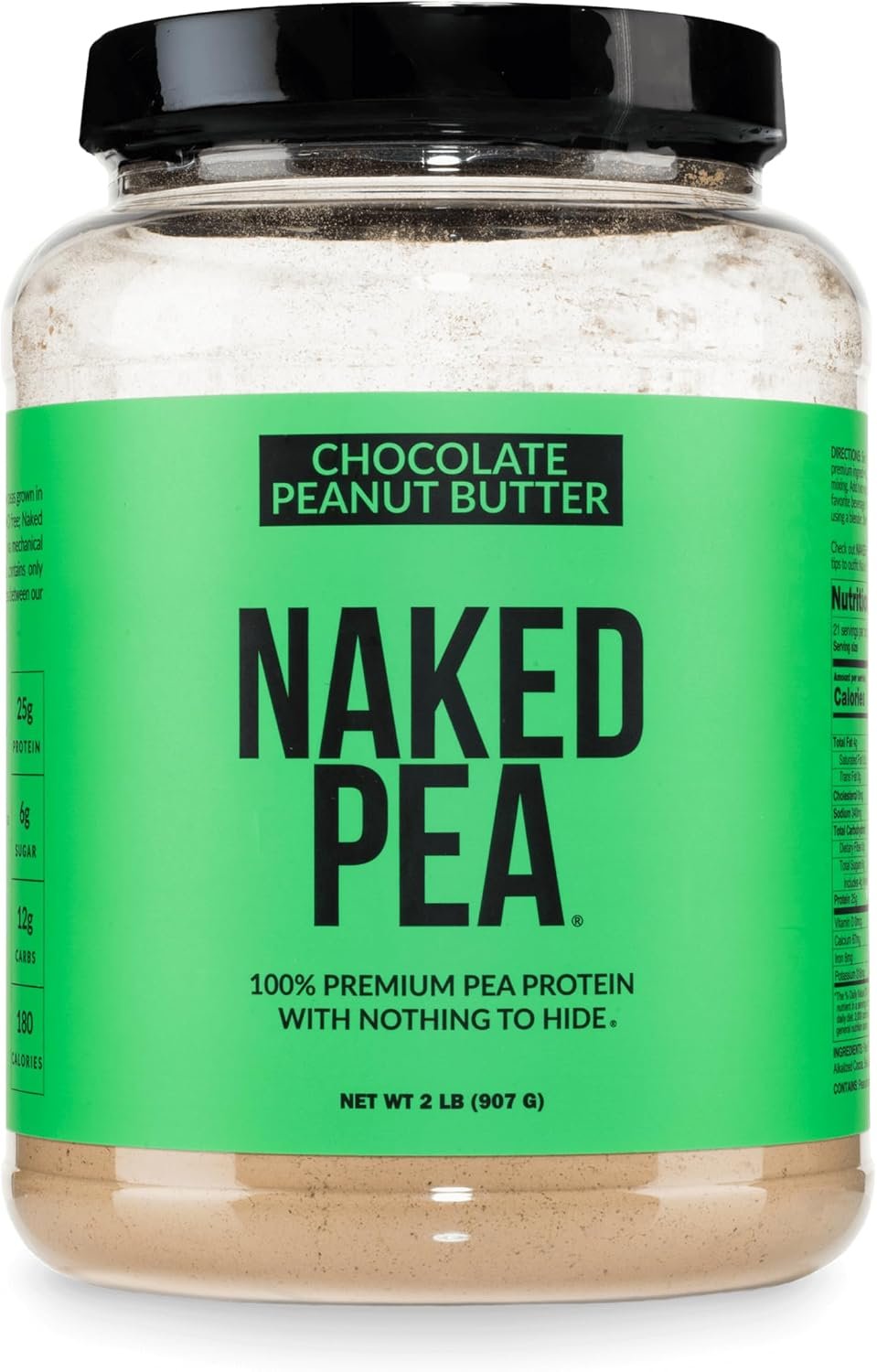
Dr. Quinn's recommended plant based pea protein supplement.
Rice protein. Lower in leucine than pea and soy, and is almost always sold as a complement rather than a standalone protein. Brown-rice protein concentrate is most commonly seen.
While these can stand alone, it is common to find a blend of two or more plant sources as these outperform any single-source of plant protein on amino acid balance. A common pairing is pea (containing leucine, lysine and total protein) plus rice (containing methionine and isoleucine) proteins which makes this more into a complete protein. Research has shown that a well-designed plant blend can stimulate muscle protein synthesis to the same degree as milk protein when matched gram-for-gram at 30 grams per dose.6 While "a tub of plant protein is equivalent to a tub of whey" is a stretch, a well-built blend closes the gap considerably.
What to watch for. Plant proteins tend to be lower in leucine than whey per gram which is an important differentiator. Many blends oversize their scoop (30-40 g of total protein per serving) to deliver 25-30 g of usable protein and clear the leucine threshold. "Vegan," "plant-based," and "dairy-free" are marketing claims about what they do not contain and not statements about the protein's quality which is what we are going for in the first place.3,4
Collagen: A Different Category
Collagen protein is structurally and functionally distinct from the proteins in the rest of this article. It is intentionally incomplete. It is low in tryptophan and leucine specifically and not designed to build skeletal muscle the way whey does.4 That makes collagen a poor substitute for whey or a complete protein source for muscle.
It is, however, the dominant protein in skin, tendon, ligament, cartilage, and bone, and there is reasonable evidence that collagen peptides taken with vitamin C about an hour before exercise can increase collagen synthesis in connective tissue.7 There is also evidence that collagen peptide supplementation, when combined with resistance training, modestly improves body composition and strength in older men with sarcopenia.8
Collagen is a complementary protein for connective-tissue goals (tendons, ligaments, skin, joints), not a replacement for whole protein. An evidence-aligned dose is around 15 grams of collagen peptides paired with roughly 50 milligrams of vitamin C, taken about an hour before resistance training.7 If the goal is muscle, recovery, or general protein adequacy, reach for whey or a complete plant blend first.
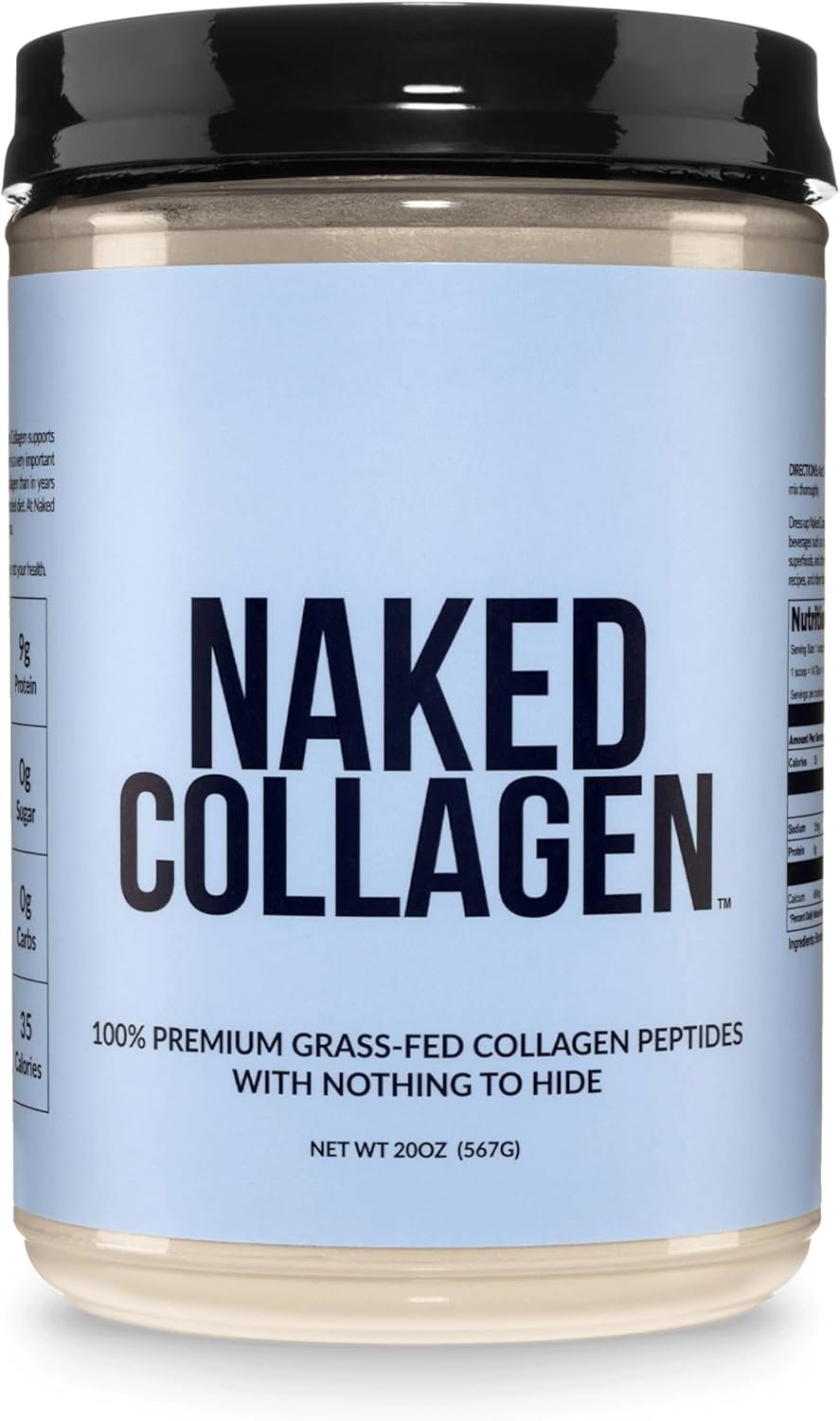
Dr. Quinn's recommended collagen supplement.
What Else Is on the Shelf
A handful of products live in the same aisle as protein powders and are worth a one-line clarification.
Mass gainers. High-calorie formulations built on whey concentrate plus maltodextrin or other carbohydrates, often with added creatine, glutamine, and B-vitamins. Useful for hardgainers trying to add body mass without preparing large volumes of food. Excess sugar and large servings make them an inappropriate substitute for a balanced meal for almost everyone else.
BCAAs (branched-chain amino acids). Leucine, isoleucine, and valine only. These are three of the nine essential amino acids. Once heavily marketed as a standalone recovery product, BCAAs alone are an inferior stimulus to a complete protein because muscle protein synthesis requires all nine essential amino acids, not three.4 The strongest case for BCAA supplementation is in the context of fasted training, where it acts as a small sparing effect during the session but the same effect is achieved by eating a meal with complete protein before training. Whole protein contains leucine, isoleucine, and valine already making this unnecessary.
EAA blends. All nine essential amino acids, sometimes with additional non-essential amino acids. While this product makes some sense, offering these necessary amino acids, is it necessary? It can be faster to absorb than whole protein but this marginal improvement does not make much sense when you can just have whole protein.
How to Choose: A Simple Decision Framework
For most patients, the answer is simple after asking just a few questions.
- Do you tolerate dairy? If you tolerate dairy and want the best-studied product, choose whey (isolate or concentrate) from a third-party tested manufacturer. Any reputable product from a brand with NSF Certified for Sport, Informed Sport or respected third-party auditor is acceptable.
- No dairy? If you are dairy-free, choose a well-reviewed soy, pea or plant based blend. Ensure you have a good brand and avoid "proprietary blends”. Ensure this has enough total protein and leucine specifically (2.5-3 g).
- Connective tissue? If your goal is not so much dietary protein and muscle health but specific to connective tissue (tendons, ligaments, skin, joints), consider adding around 15 g of collagen peptides with 50 mg vitamin C before training, as a complement to your normal protein source, not a replacement.7,8
Safety and Common Concerns
A few specific concerns come up often enough in the clinic to address directly.
Third-party testing and contamination. Reputable manufacturers test their products internally, but it is always helpful for third-party programs (NSF, Informed Sport) to review this and make the result public. Heavy metals (lead, arsenic, cadmium), pesticides and other chemicals are the recurring findings in cheap plant-protein products.
Additives. Our goal is to get the protein from a whole food diet, but if we need a supplement, I would prefer patients to get this from a supplement with minimal ingredients. There are many types of ingredients that can be added including sugar, sweeteners, preservatives, and otherwise. These can add calories, GI symptoms and other undesirable effects.
Hormonal concerns with soy. Soy protein does not meaningfully affect testosterone or estrogen in men at typical dietary intakes, including in athletic settings. The myth that "soy feminizes men" is not supported by the evidence.4
Dairy allergies, lactose intolerance, galactosemia. Whey and casein are not appropriate for true milk allergy or galactosemia. Lactose-intolerant patients usually tolerate whey isolate (most of the lactose is removed), but not casein or whey concentrate. Plant blends are the default for this group.
Purity for athletes subject to drug testing. Only third-party tested products with NSF Certified for Sport or Informed Sport certification should be used by athletes subject to WADA-style testing.
Common Questions
Can I use protein powder as a meal replacement? While this can meet our protein recommendations it falls short on many other factors for a healthy diet including fiber, micronutrient and healthy fats. A protein shake may be used to fill a per-meal gap, not to replace meals on a regular basis.
Will protein powder cause bloating? Some patients do experience bloating or GI symptoms from whey concentrate (lactose), certain sweeteners (especially sugar alcohols), or large single doses. Whey isolate, smaller split doses or unflavored versions usually help.
How much protein per day should I get from supplements? We should strive to get the majority of our protein from whole food sources. I recommend getting <30% of daily protein from a powder or supplement, with the rest from real food.
Is unflavored protein powder effective? Yes. Flavor is a marketing category, not a quality category. Unflavored whey or pea isolate is typically the cleanest, cheapest, and most flexible option.
Conclusion
A protein supplement is a tool to fill a gap that a protein-rich diet fails to attain. It is not a foundational health intervention. It is not a magic potion for workout recovery. It is not a substitute for real food. Used thoughtfully, on top of a protein-rich diet, it can be useful.
For most patients, the answer is simple. Hit your daily target from real food first, but when a specific meal gap keeps showing up, fill it with a third-party tested whey or a well-built plant blend, dosed to give you 25-30 grams of protein per meal. Reserve collagen for connective-tissue goals, not muscle health.
None of this replaces the basics. For health we need a real food diet, activity, sleep and management of stress. For patients who care about long-term function, protein is an important component of a healthy life. Talk with your physician about your own situation. See you soon back in The Training Room!
Companion Article
For the food-first foundation, including what protein is, why it matters, how much you need, and how to build a protein-rich plate from real ingredients, see Protein-Rich Diet in The Nutrition section of The Training Room.
Resources
References
- NSF International. NSF Certified for Sport program testing protocol and contaminant list. nsfsport.com. (Authoritative third-party testing program for sports supplements.) — Informed Sport. Informed Sport program testing protocol and certified-product registry. informed-sport.com. (Authoritative third-party testing program for supplements subject to anti-doping testing.)
- Jäger R, Kerksick CM, Campbell BI, et al. International Society of Sports Nutrition Position Stand: protein and exercise. J Int Soc Sports Nutr. 2017;14:20. PMID 28642676.
- Morton RW, Murphy KT, McKellar SR, et al. A systematic review, meta-analysis and meta-regression of the effect of protein supplementation on resistance training-induced gains in muscle mass and strength in healthy adults. Br J Sports Med. 2018;526:376-384. PMID 28698222.
- van Vliet S, Burd NA, van Loon LJ. The Skeletal Muscle Anabolic Response to Plant- versus Animal-Based Protein Consumption. J Nutr. 2015;1459:1981-1991. PMID 26224750.
- Davies RW, Carson BP, Jakeman PM. The Effect of Whey Protein Supplementation on the Temporal Recovery of Muscle Function Following Resistance Training: A Systematic Review and Meta-Analysis. Nutrients. 2018;102:221. PMID 29462923.
- Pinckaers PJM, Kouw IWK, Hendriks FK, et al. The Muscle Protein Synthetic Response to the Ingestion of a Plant-Derived Protein Blend Does Not Differ from an Equivalent Amount of Milk Protein in Healthy Young Males. J Nutr. 2023;15212:2734-2743. PMID 36170964.
- Shaw G, Lee-Barthel A, Ross ML, Wang B, Baar K. Vitamin C-enriched gelatin supplementation before intermittent activity augments collagen synthesis. Am J Clin Nutr. 2017;1051:136-143. PMID 27852613.
- Zdzieblik D, Oesser S, Baumstark MW, Gollhofer A, König D. Collagen peptide supplementation in combination with resistance training improves body composition and increases muscle strength in elderly sarcopenic men: a randomised controlled trial. Br J Nutr. 2015;1148:1237-1245. PMID 26353786.
- Tang JE, Phillips SM. Maximizing muscle protein anabolism: the role of protein quality. Curr Opin Clin Nutr Metab Care. 2009;121:66-71. PMID 19057190.
Share
Send this article to someone who would find it useful.