
Dr. Quinn's
Recommendations
These products are ones that I recommend to those I care for. These items include healthy foods, helpful supplements, wellness gadgets, good reads and more. Each link below takes you to some general information on that product, with details about why I recommend it and how it fits into a healthy lifestyle. If you choose to use the affiliate link on that page, it is appreciated. No extra money will be charged to you but I may earn a commission. Always consult your own personal physician before starting any new treatments of any kind.
Categories
Sort by
Supplements
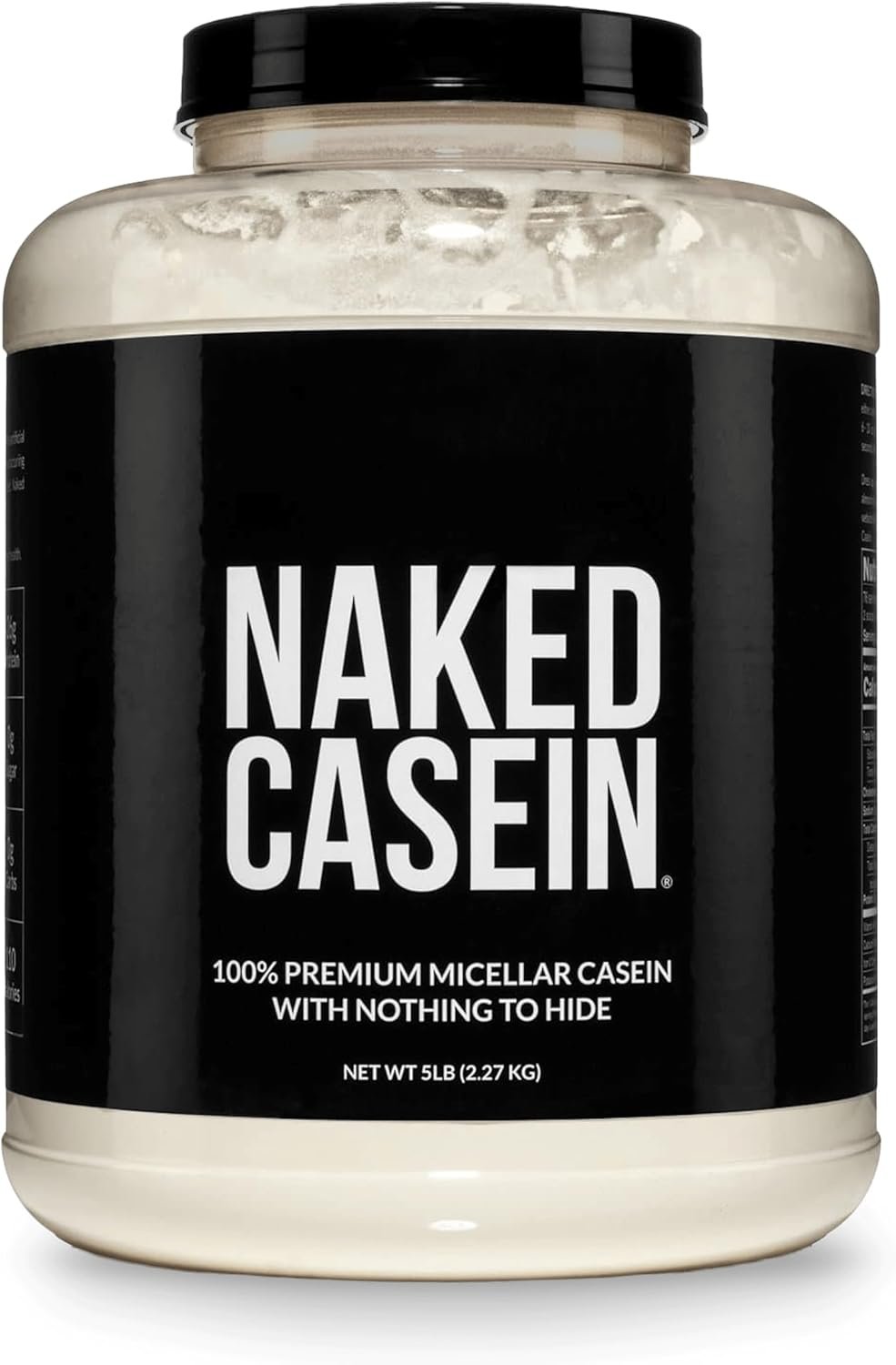
Naked Casein
Naked Nutrition
In regards to protein powder, Naked is the brand I recommend. Naked, gets its name from the fact it has one single ingredient. No flavors, sweeteners, fillers or preservatives. While of course this is still processed, keeping ingredients simple and minimal is important. Casein is the slow-digesting counterpart to whey: it forms a gel in the stomach that releases amino acids steadily over six to eight hours, while whey is fast-digesting and floods the bloodstream with amino acids within an hour or two, which is why casein is the better fit between meals or before bed and whey is the better fit right after a workout.
Supplements
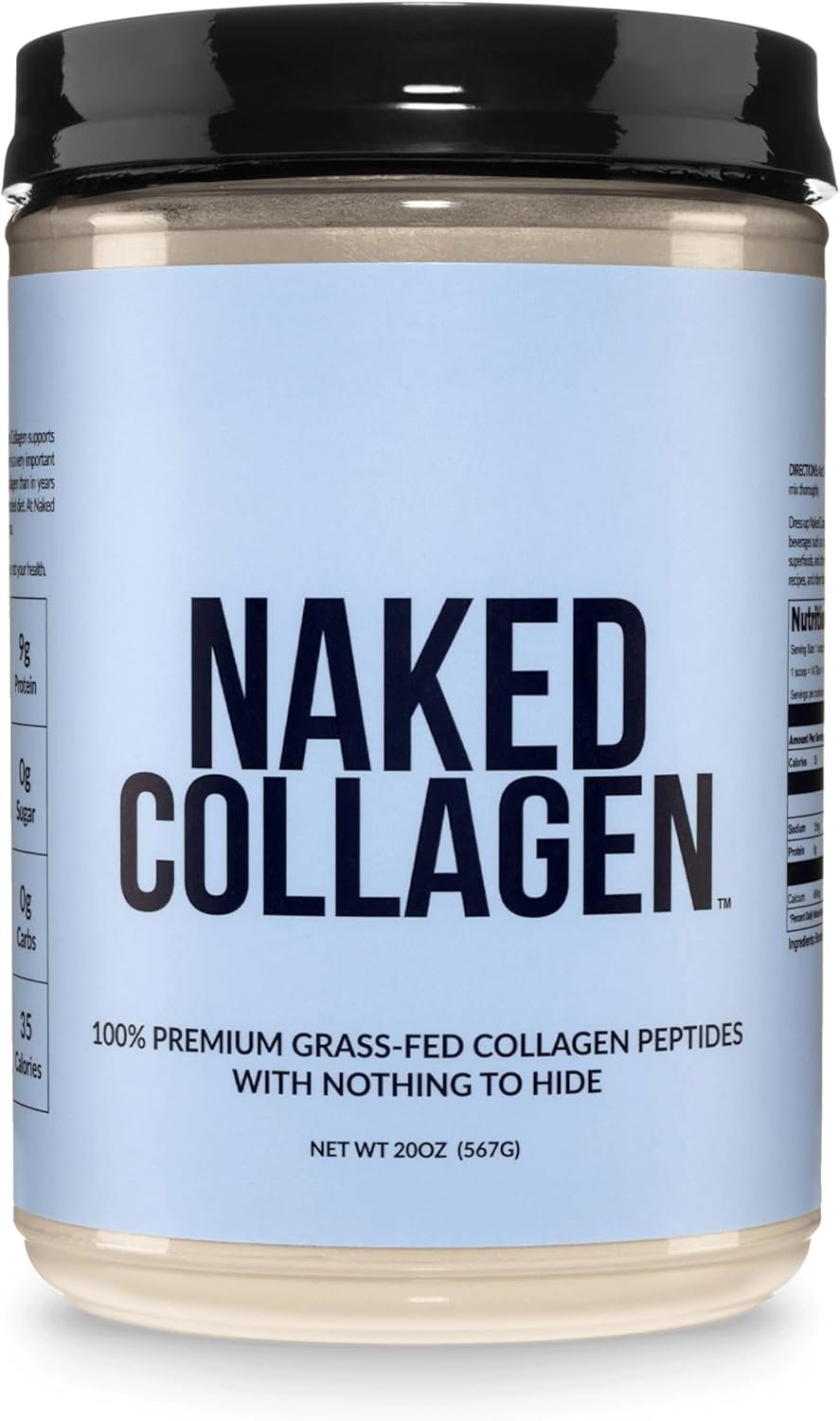
Naked Collagen
Naked Nutrition
Naked is the brand I recommend for collagen in addition to their whey and pea proteins. Their collagen carries the same single-ingredient standard: one ingredient, no flavors, sweeteners, fillers, or preservatives. While of course this is still processed, keeping ingredients simple and minimal is important. The product is an unflavored hydrolyzed bovine collagen peptide powder, sourced from grass-fed US-farmed cattle.
Supplements
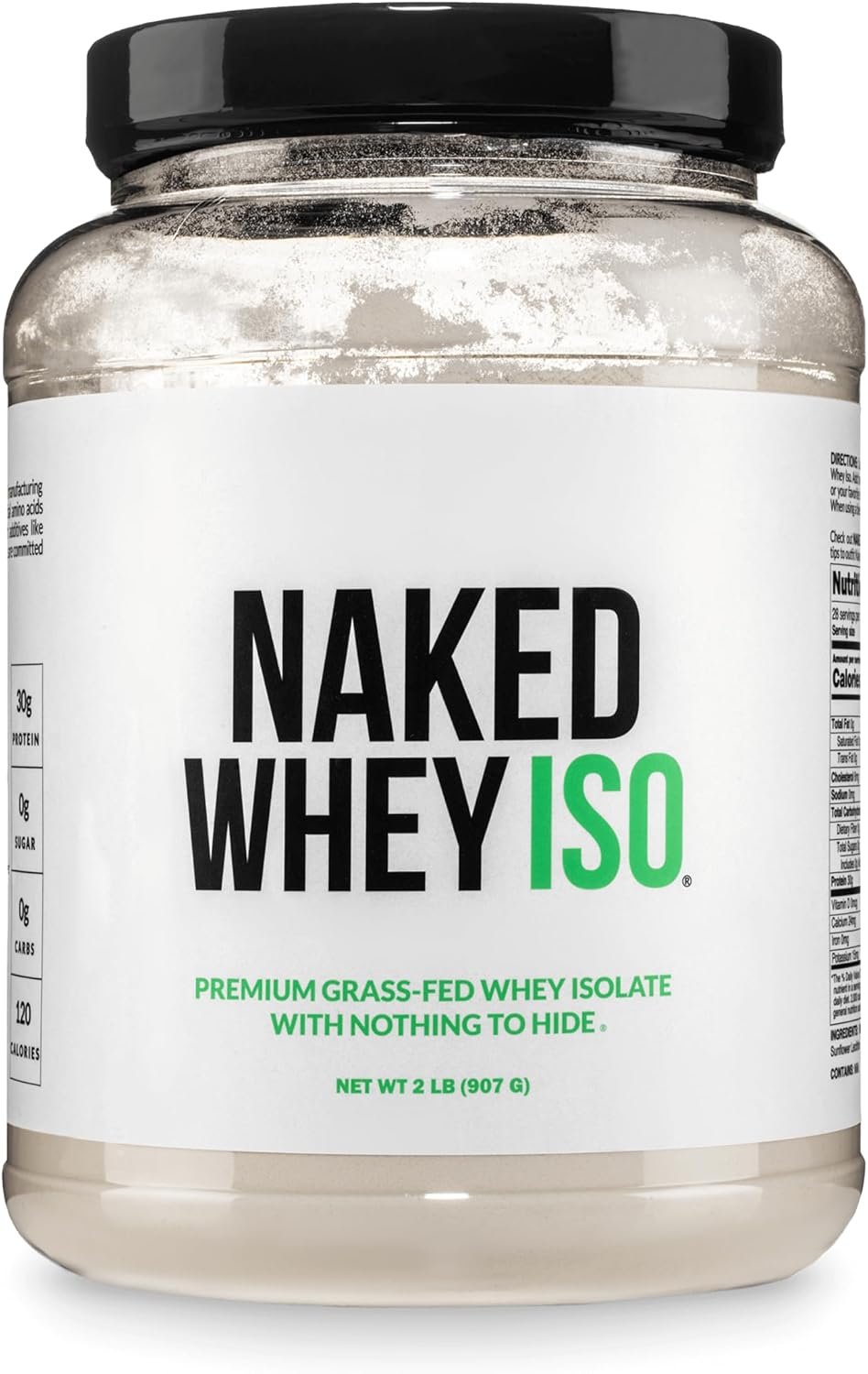
Naked Whey Isolate
Naked Nutrition
In regards to protein powder, Naked is the brand I recommend. Naked, gets its name from the fact it has one single ingredient. No flavors, sweeteners, fillers or preservatives. While of course this is still processed, keeping ingredients simple and minimal is important. Whey isolate is filtered further than whey concentrate to remove most of the naturally-occurring lactose and fat, yielding a higher protein percentage per scoop (typically 85–95% versus 70–80% for concentrate) and a lower lactose load that is generally better tolerated by patients with mild lactose sensitivity.
Books
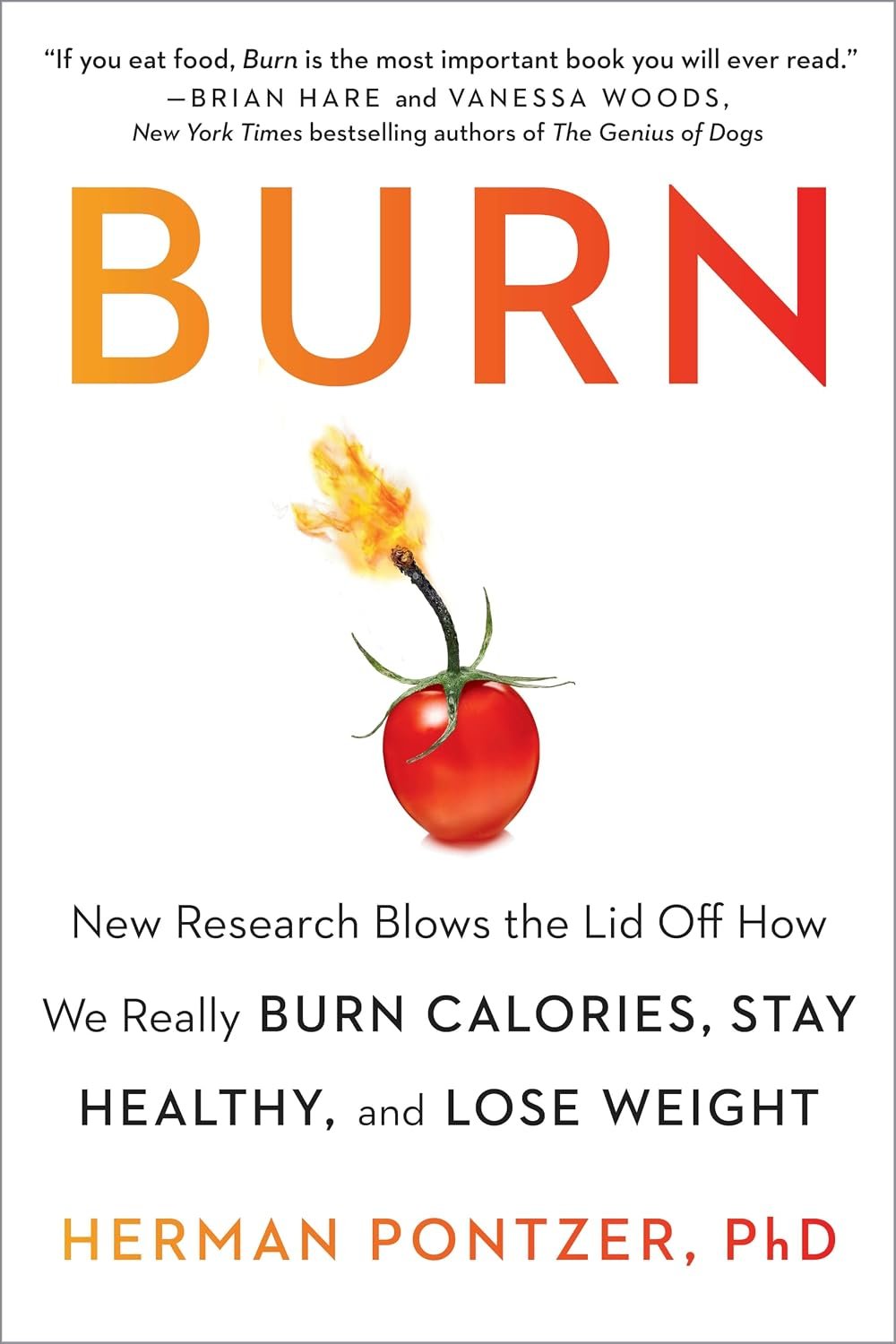
Burn
Herman Pontzer, PhD
Burn by Herman Pontzer, PhD (2021) reframes human energy metabolism through the lens of the Hadza hunter-gatherer population in Tanzania and Pontzer's metabolic-chamber work with both Hadza and modern subjects. The central argument is the constrained-energy model: humans (and other primates) defend a relatively fixed daily energy expenditure within a wide range of physical activity, meaning that adding exercise does not necessarily add calories burned — the body adapts by spending less elsewhere. From this base, Pontzer walks through the obesity epidemic, the limits of calorie counting, the case for movement as health (independent of weight loss), and the practical implications for how we think about diet, activity, and weight.
Books
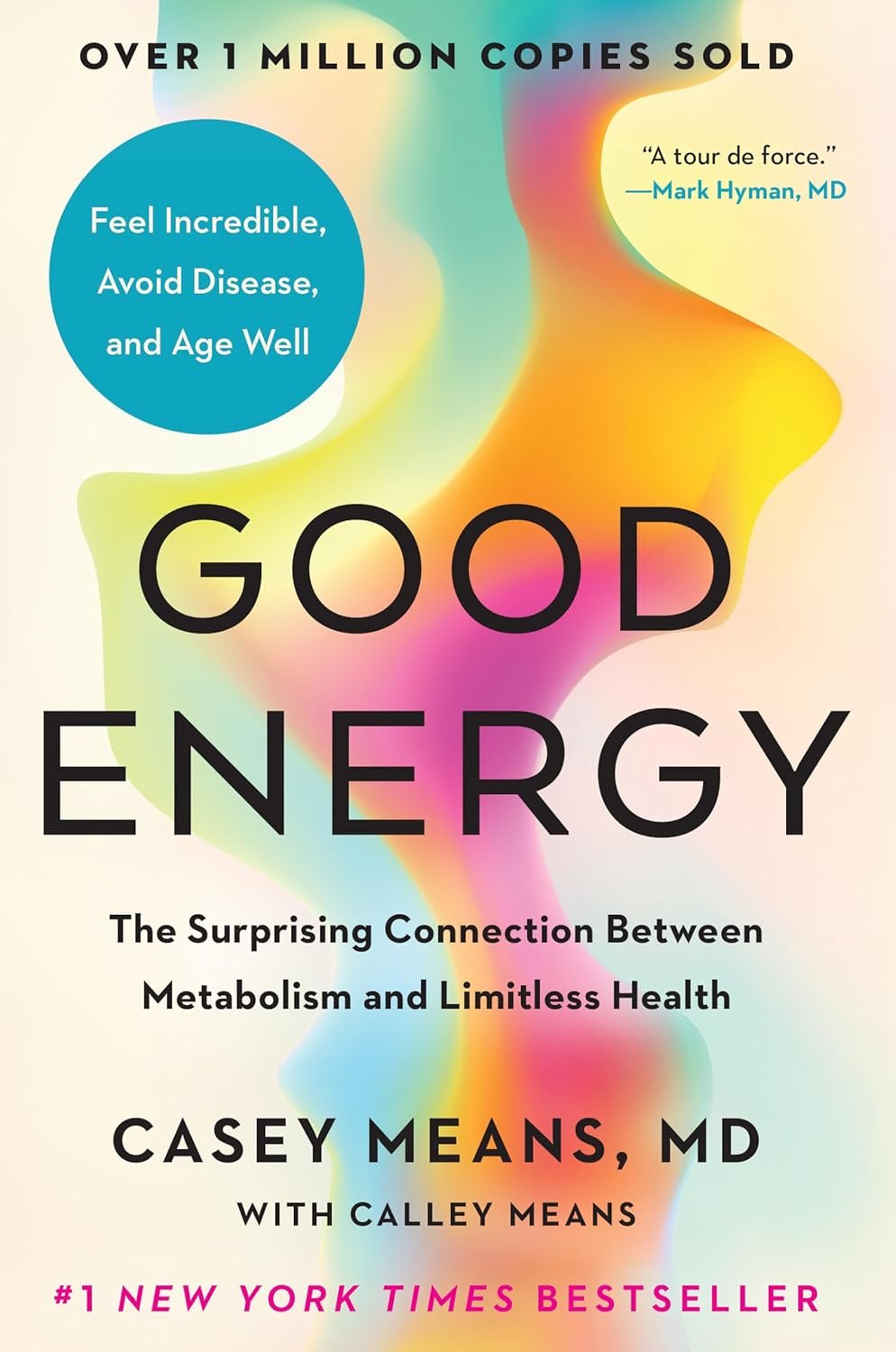
Good Energy
Casey Means, MD
Good Energy by Casey Means, MD (with Cal Means, 2024) argues that the dominant chronic-disease categories of the modern era — obesity, type 2 diabetes, cardiovascular disease, neurodegenerative disease, and many mood disorders — share a common metabolic origin in mitochondrial dysfunction and chronic metabolic stress. Means walks the reader through the biology of cellular energy production, the ways modern food and movement patterns degrade it, and the everyday levers (nutrition, sleep, movement, stress, environmental exposures, continuous glucose monitoring as a feedback tool) that can restore it. The framing is broad and applied, oriented around the question 'why is the patient in front of me metabolically stressed' rather than around a single diagnosis.
 Top Pick
Books
Margin
Richard Swenson, MD
Margin by Richard Swenson, MD (1992, revised 2004) makes the case that the defining problem of modern life is the progressive loss of margin — reserve capacity in every dimension of life (energy, finances, time, relationships, attention, faith where relevant). Swenson argues that health, relationships, and meaning require some unused capacity to absorb life's shocks, and that the cultural drive to fill every margin with productivity systematically degrades the reserves that health and resilience require. The book is short, applied, and unusually durable across decades, because the problem it names is structural rather than topical.
 Top Pick
Books
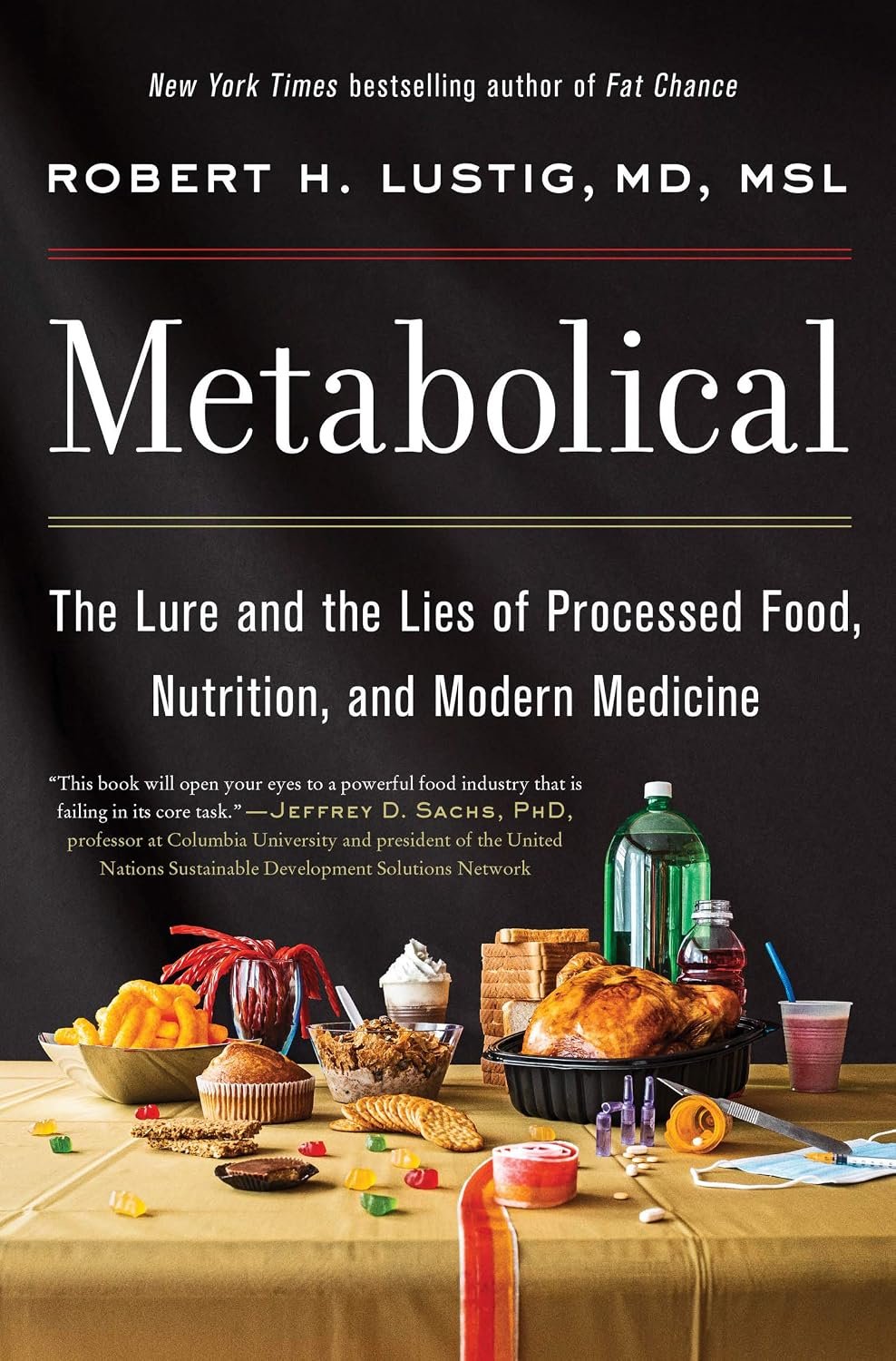
Metabolical
Robert Lustig, MD
Metabolical by Robert Lustig, MD (2021) makes the case that the modern chronic-disease epidemic is fundamentally a metabolic disease driven by dietary and environmental insults to cellular energy processing. The book is organized around eight cellular pathologies (the eight modern metabolic disease pathways) and traces how processed food, added sugar, ultra-processed food, and modern stress load converge on them. Lustig also covers the regulatory and industry context that has kept these patterns in place, and a clinical-style treatment framework that prioritizes dietary intervention over pharmacology for the metabolic components of chronic disease.
Supplements
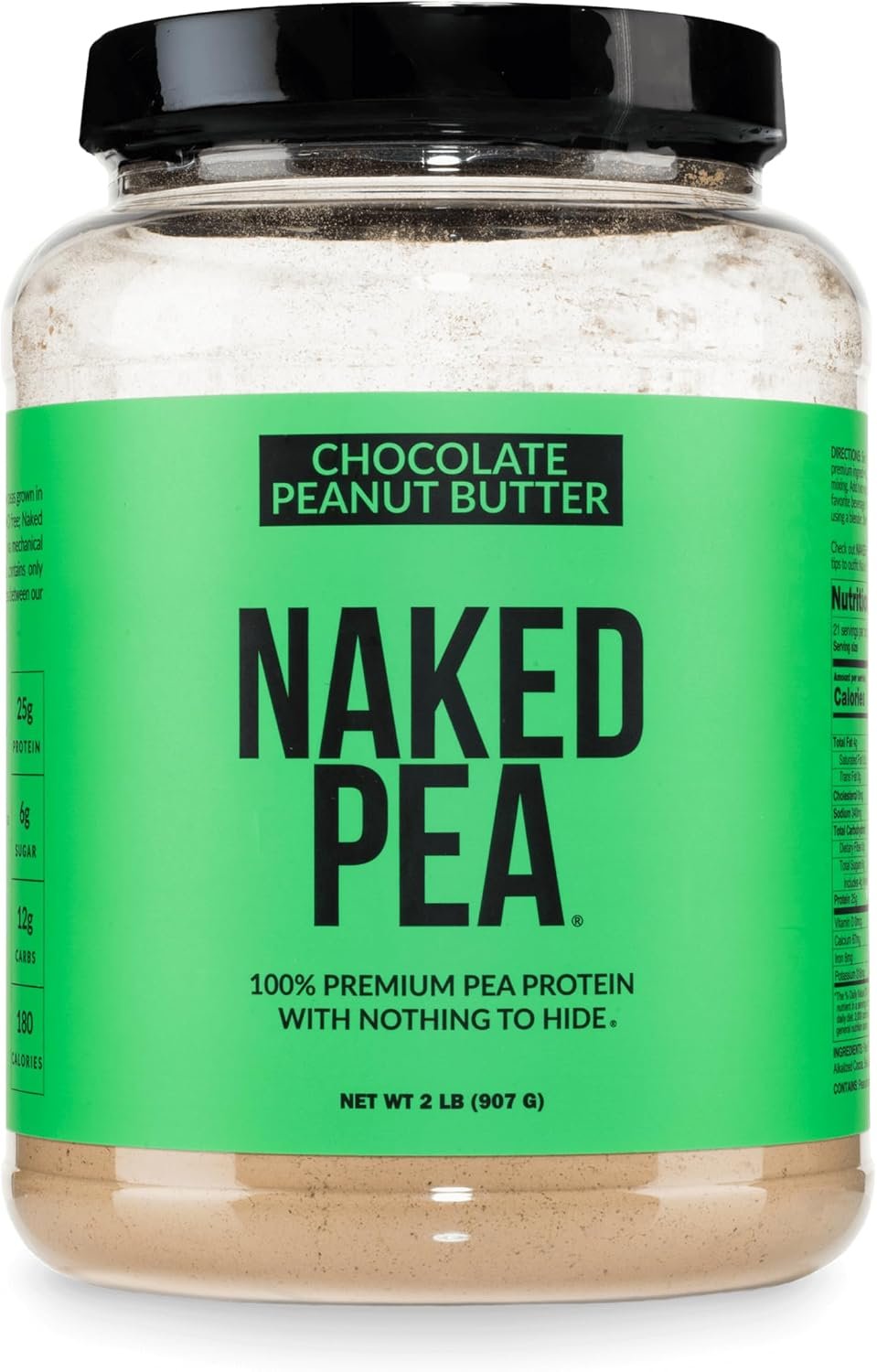
Naked Pea
Naked Nutrition
In regards to protein powder, Naked is the brand I recommend. Naked, gets its name from the fact it has one single ingredient. No flavors, sweeteners, fillers or preservatives. While of course this is still processed, keeping ingredients simple and minimal is important.
 Top Pick
Supplements
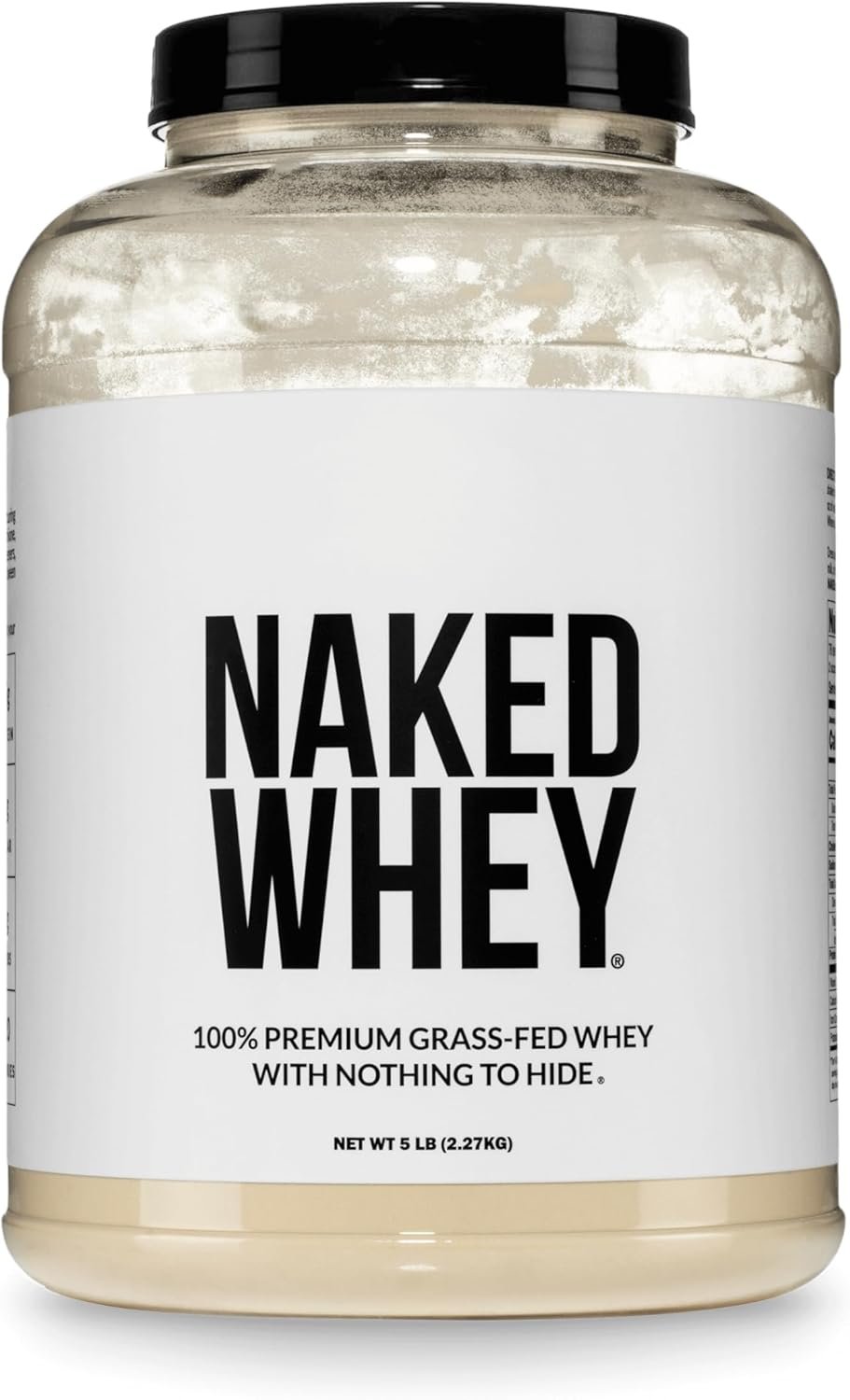
Naked Whey
Naked Nutrition
In regards to protein powder, Naked is the brand I recommend. Naked, gets its name from the fact it has one single ingredient. No flavors, sweeteners, fillers or preservatives. While of course this is still processed, keeping ingredients simple and minimal is important.
Books
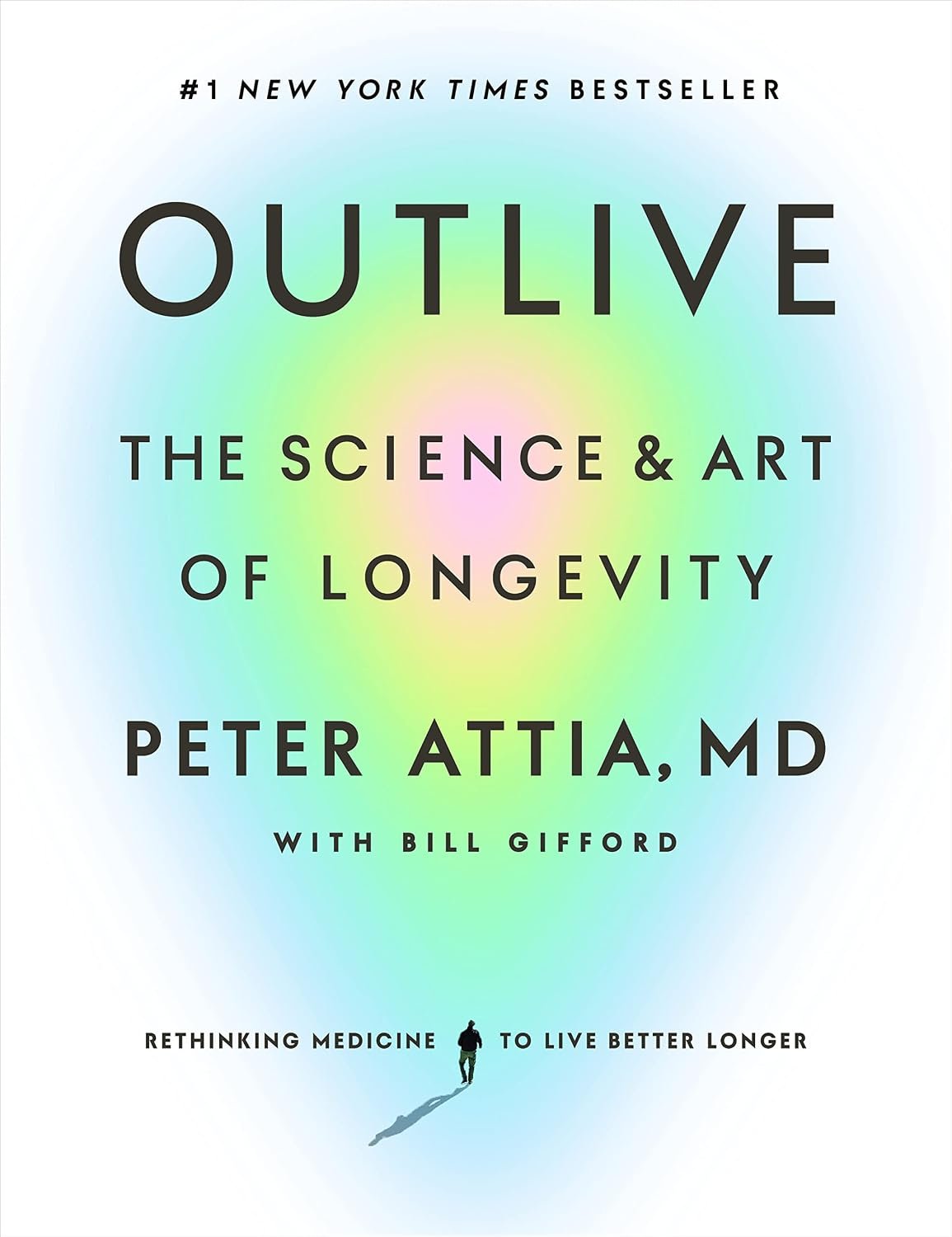
Outlive
Peter Attia, MD
Outlive by Peter Attia, MD (with Bill Gifford, 2023) reframes longevity not as a search for the maximum possible lifespan but as the project of extending the number of healthy years (healthspan) and compressing the period of decline at the end of life. The book is organized around four horsemen — cardiovascular disease, cancer, neurodegenerative disease, and metabolic disease — and around three categories of intervention: exercise (treated as the most powerful single tool), nutrition and metabolic health, and emotional health. Attia argues that Medicine 2.0 (wait until disease appears, then treat) systematically under-serves the patient, and that the practical alternative is a Medicine 3.0 posture — aggressive risk reduction earlier, and a willingness to engage with hard tradeoffs that the standard clinic visit does not have time to discuss.

Books
The Anxious Generation
Jonathan Haidt, PhD
The Anxious Generation by Jonathan Haidt, PhD (2024) argues that the adolescent mental-health crisis of the 2010s and 2020s is largely driven by two concurrent shifts: a great rewiring of childhood around smartphones and social media, and a parallel under-supply of unsupervised play and real-world risk-taking in adolescence. Haidt walks through the experimental and longitudinal evidence on social media and adolescent mental health, contrasts the experience of girls and boys, and proposes a four-norm intervention agenda (no smartphones before high school, no social media before 16, phone-free schools, and far more independence and free play in the real world). The framing is applied and policy-oriented, not clinical-protocol.
Books
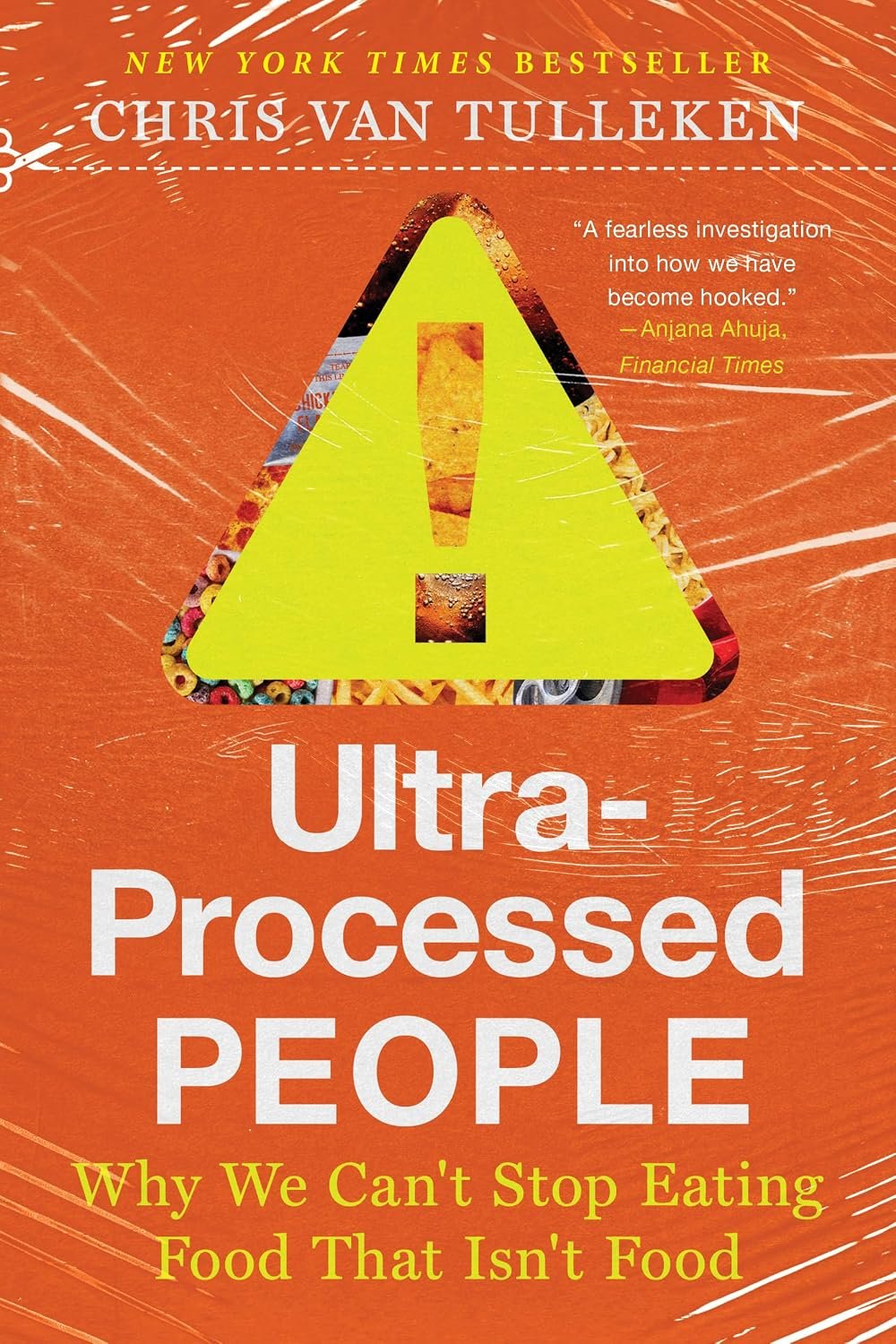
Ultra-Processed People
Chris van Tulleken, PhD
Ultra-Processed People by Chris van Tulleken, PhD (2023) makes the case that the relevant variable in modern diets is not nutrients (calories, protein, fat, carbs) but industrial processing. Using the NOVA classification system, van Tulleken separates food into four groups (unprocessed or minimally processed, processed culinary ingredients, processed foods, and ultra-processed foods) and walks through the clinical and epidemiological evidence that ultra-processed food intake drives overeating independent of nutrient composition. The book covers reformulation, marketing, regulatory capture, and the political economy of food, with the author's own 30-day ultra-processed diet experiment as a narrative spine.
Books
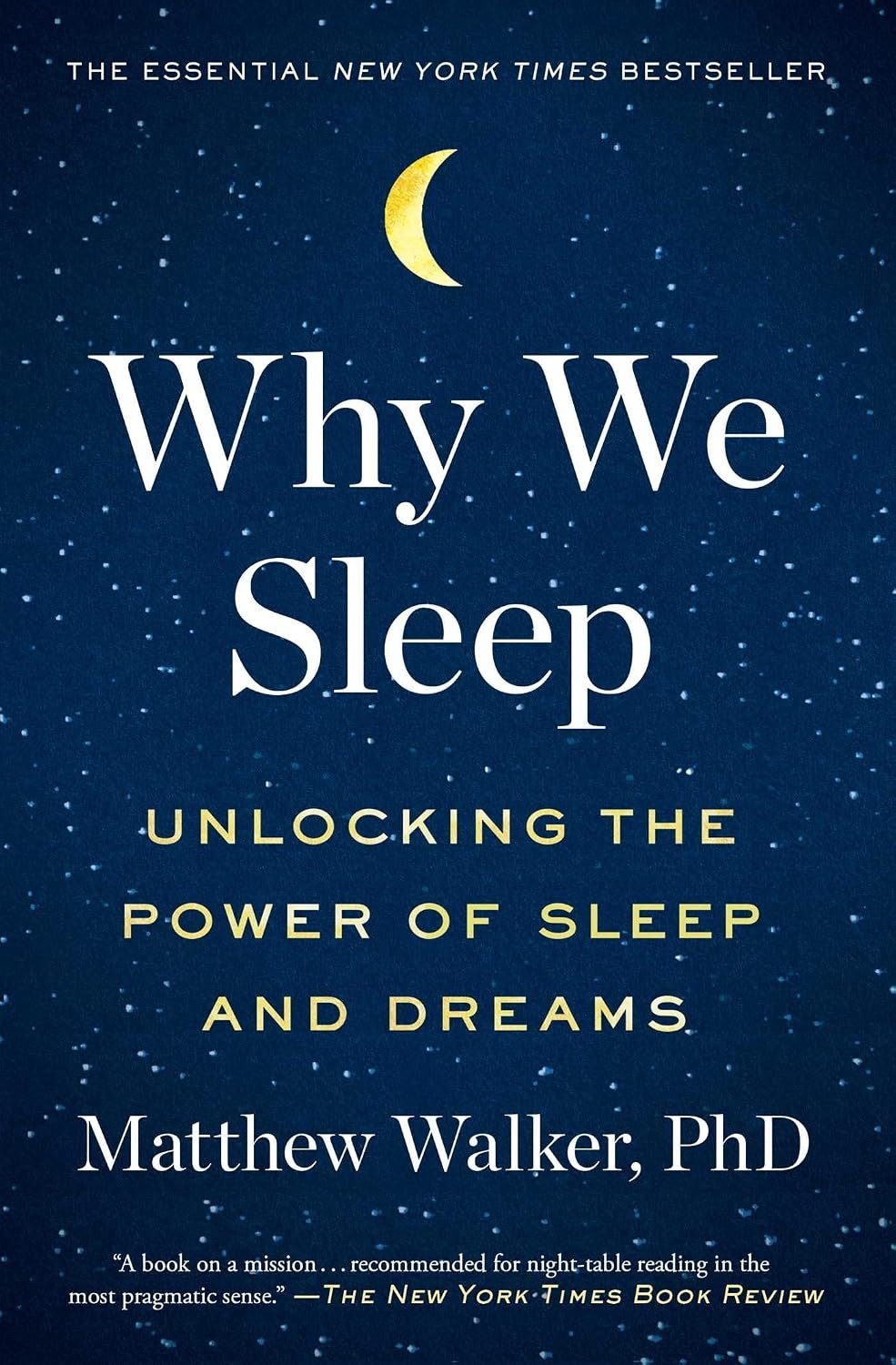
Why We Sleep
Matthew Walker, PhD
Why We Sleep by Matthew Walker, PhD (2017) is the most-cited popular-science sleep book of the last decade and the one most likely to walk into a sports medicine clinic in the hand of a worried patient. The book is built around four parts — how sleep works, why you need it, what dreams are for, and what sleep means for society — and closes with twelve practical tips for better sleep. Walker's contention is correct: adults 18 to 64 should sleep at least 7 hours per night on a regular basis, with 7 to 9 hours as the recommended range, and chronic short sleep is one of the most consistent dose-response relationships in the entire medical literature.
 Top Pick
Nutrition
Porter Road
Nashville-based pasture-raised meat delivery
Porter Road delivers pasture-raised, antibiotic-free meat from a curated group of small American farms directly to your door. Subscriptions are fully customizable. You are able to pick your cuts, set your cadence and skip or pause anytime. The catalog includes beef (steaks, roasts, ground beef, dry-aged options), pork (chops, shoulder, bacon, sausage), poultry, lamb and more.
Books
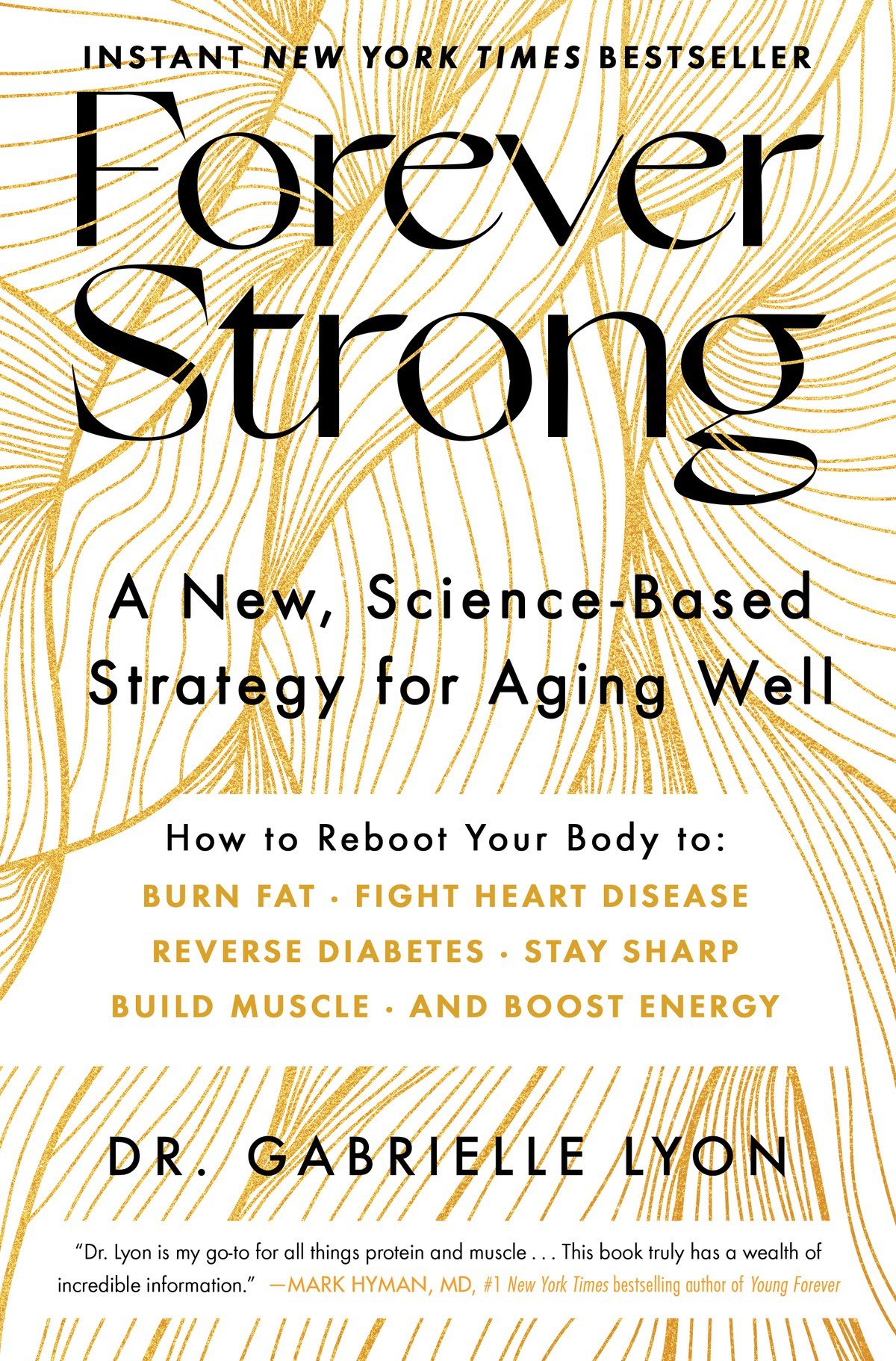
Forever Strong
Dr. Gabrielle Lyon
Forever Strong by Dr. Gabrielle Lyon reframes healthspan, the number of healthy years we live, through the lens of skeletal muscle. Lyon argues that many of the conditions blamed on aging (slowing metabolism, stubborn weight, fatigue, cardiometabolic risk) are often signs that we are undermuscled, not just overfat, and gives practical guidance on how to think, eat, move and recover with muscle in mind.